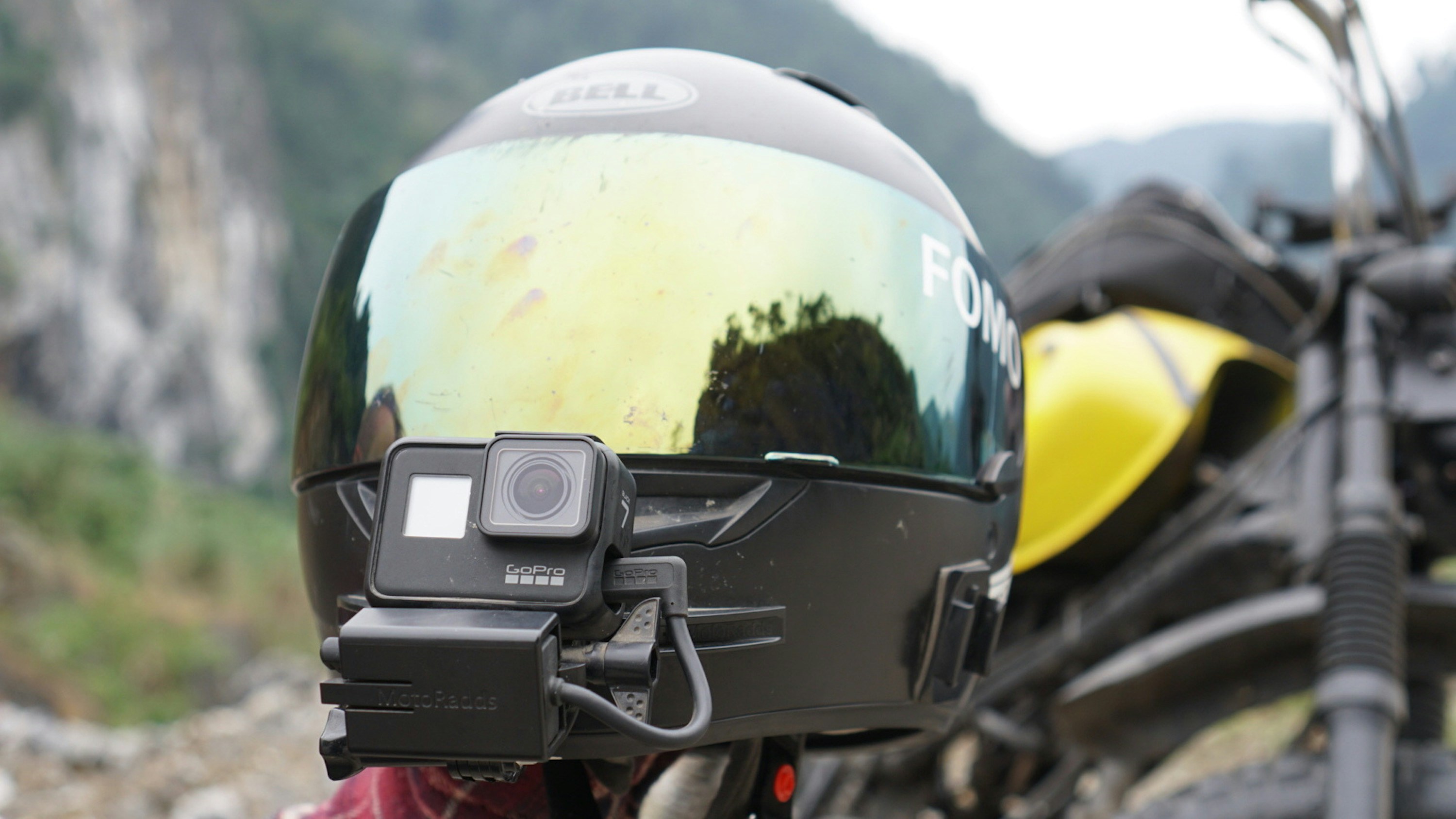
Introduction to Motorcycle Cameras
In recent years, the popularity of motorcycle cameras has surged significantly among riders. These devices serve multiple purposes, from ensuring safety to documenting thrilling rides. As the motorcycle community continues to embrace technology, riders are increasingly recognizing the value that cameras bring to their overall experience.
Motorcycle cameras are designed to capture high-quality video footage while riding, providing invaluable evidence in the event of an accident. This feature not only assists with insurance claims but also serves as a protective measure for riders against false allegations. As riding conditions can change rapidly, having a reliable documentation tool becomes essential to promote safety and accountability on the roads.
Moreover, motorcycle cameras enhance the riding experience by allowing riders to relive their adventures. The ability to record scenic routes, exhilarating rides, and moments with fellow riders adds a layer of enjoyment to trips. Many motorcycle enthusiasts use this footage to showcase their journeys on social media platforms, which can inspire others while contributing to a sense of community within the motorcycle culture.
Additionally, modern motorcycle cameras are equipped with advanced features such as image stabilization, wide-angle lenses, and even voice control, making them suitable for various riding scenarios. These enhancements not only improve the quality of the recorded footage but also make the cameras more user-friendly, ensuring that riders can focus on their safety without any distractions.
As the technology continues to evolve, exploring the best motorcycle cameras available in 2026 will provide riders with insights into the features that matter most. Safety, quality, and performance become paramount as riders strive to enhance their experiences on the open road with the help of these devices.
Factors to Consider When Choosing a Motorcycle Camera
Selecting the right motorcycle camera is crucial for riders who prioritize safety, quality, and performance. A range of factors must be considered to ensure the camera meets specific riding needs and enhances overall experience.
First and foremost, video quality stands out as a paramount feature. The clarity of recorded footage can make a difference not only in capturing scenic rides but also in documenting incidents for insurance or legal purposes. Cameras that offer at least 1080p resolution are recommended, with some advanced models providing 4K capabilities. Higher resolution facilitates clearer images, which are essential when reviewing accidents or showcasing adventures.
Another critical aspect is the field of view (FOV). The FOV dictates how much of the surroundings are captured in the frame. A wider FOV allows riders to record more of their environment, providing comprehensive footage of their rides. It is advisable to choose a camera with an adjustable FOV, as this flexibility can cater to various biking conditions and rider preferences.
Durability also plays a significant role in the selection of a motorcycle camera. The rigors of riding expose equipment to harsh conditions, including vibrations, weather, and potential impacts. Therefore, opting for a camera that is waterproof or weather-resistant, as well as shockproof, ensures it can withstand the demands of motorcycle journeys.
Battery life is another important consideration. A reliable battery serves as a lifeline during long rides, as running out of power can lead to missed precious moments or critical evidence in the case of unforeseen events. Look for cameras that offer extended battery life or those with options for external battery packs.
Lastly, mounting options are essential for stability and versatility. A good motorcycle camera should offer various mounting possibilities that easily attach to different parts of the bike or rider gear. This versatility not only enhances stability during rides but also allows for unique shooting angles, further enriching the quality of the footage.
Top Motorcycle Cameras of 2026: Overview
As the demand for motorcycle cameras continues to rise, the year 2026 has introduced several models that cater to the diverse needs of riders. These top-rated motorcycle cameras not only enhance safety but also ensure high-quality recording and exceptional performance on the road. This overview highlights notable models, their key features, and what sets them apart in a competitive market.
First on the list is the HeroMax 8, which boasts an impressive 4K video resolution along with advanced stabilization technology. This camera is designed for riders who crave crisp and vibrant visuals, capturing every detail of their journey. With its compact, durable build, the HeroMax 8 can withstand the rigors of various weather conditions, making it a reliable companion on any ride.
Next, the RiderCam Pro stands out for its modular design and extensive mounting options. This feature allows users to customize their setup according to specific riding styles and environments, ensuring versatile use. Additionally, it offers a unique live streaming capability, enabling riders to share their experiences in real-time with friends and family.
The VlogLens 360 is another remarkable option. Featuring a dual-lens system, this camera captures a comprehensive 360-degree view, perfect for riders who want to document their surroundings in a captivating manner. Its built-in GPS capability allows users to track their routes, while its long battery life ensures uninterrupted recording during extended rides.
Finally, the SafeRide X2 emphasizes safety with built-in crash detection features that automatically save footage during an incident. Additionally, its user-friendly app allows for quick access to recordings and easy sharing on social media platforms.
These top motorcycle cameras of 2026 not only enhance the riding experience but also promote safety by capturing vital moments on the road. As riders continue to explore new heights of adventure, investing in high-quality motorcycle cameras has become an essential part of their gear collection.
Detailed Comparison of Camera Safety Features
As motorcycle enthusiasts increasingly prioritize safety, the integration of advanced technology into motorcycle cameras has become paramount. Leading brands have developed sophisticated safety features that enhance both rider security and experience. These features can be segmented into several categories: accident detection, emergency recording, and GPS tracking.
Accident detection systems are vital for an enhanced safety profile. Several top motorcycle cameras are equipped with G-sensors that automatically detect sudden impacts or decelerations. Upon such events, the camera can trigger emergency recording, ensuring vital footage is saved for insurance claims or legal evidence. This capability provides peace of mind, allowing riders to focus on their journey rather than worrying about potential mishaps.
Emergency recording features are an essential addition to motorcycle cameras designed for safety. When an incident occurs, the camera can be programmed to capture video footage immediately preceding and following the accident. This feature aids in creating an accurate account of events, further solidifying the case for the rider’s perspective and potentially influencing legal proceedings. Furthermore, this function can often be activated manually, allowing riders to document unexpected incidents during their travels.
GPS tracking technology complements other safety features by providing crucial location data. Cameras equipped with GPS can overlay speed and geographic information on the recorded video, a functionality useful for accident investigations. Additionally, in the event of theft, GPS-enabled cameras can help in tracking down the motorcycle, thereby increasing the likelihood of recovery. By employing this technology, riders benefit from enhanced situational awareness and location intelligence.
In evaluating these safety features across various motorcycle cameras, it is clear they contribute significantly to rider safety. Each feature—notably accident detection, emergency recording, and GPS tracking—plays a critical role in accident prevention and overall situational responsiveness, making modern motorcycle cameras indispensable for safety-conscious riders.
Quality Comparison: Video Resolution and Performance
When selecting a motorcycle camera, video resolution and performance play a pivotal role in ensuring that riders capture critical moments with clarity. The top motorcycle cameras available in 2026 offer varied resolutions, largely influenced by advancements in technology and user demand for high-quality imagery. Common resolutions found in leading models include 1080p, 2K, and even 4K, each delivering different levels of detail and clarity.
The importance of high resolution cannot be overstated. For instance, a camera that records in 4K provides four times the resolution of standard 1080p. This increase in clarity allows riders to see finer details that may be essential during an incident review or for capturing scenic rides. Additionally, higher resolutions help ensure that legibility of license plates, road signs, and other crucial details in the environment is maintained, especially when viewed on larger screens.
However, it is essential to balance resolution with performance aspects such as frame rate and image stabilization. A camera with a high resolution but a low frame rate may result in choppy footage during dynamic movements, which can hinder the viewer’s ability to comprehend the action. Opting for 60 frames per second (fps) recording at 1080p or 30 fps at 4K is often recommended for smooth video playback, making crucial details easier to analyze.
Additionally, effective image stabilization is vital for capturing clear footage during a ride. Cameras equipped with advanced stabilization technologies can counteract the vibrations and jolts experienced on the road, ensuring that even during fast turns or bumpy terrains, the video quality remains intact. Therefore, when purchasing a motorcycle camera, one should not only consider the resolution but also the overall video performance, which encompasses frame rate, stabilization, and how these elements interact to provide a comprehensive and reliable recording solution for motorcycle enthusiasts.
Durability and Weather Resistance
For motorcycle riders, the durability and weather resistance of a camera are critical factors that can significantly affect the quality and reliability of their footage. Riding exposes cameras to various environmental challenges, including rain, dust, and impacts. Therefore, it is imperative for motorcycle cameras to be built with high-quality materials that can withstand these elements. Many cameras designed specifically for motorcycling are constructed with rugged cases and utilize robust mounting systems, ensuring that they remain secure and functional even in extreme conditions.
Water resistance is another essential feature for motorcycle cameras, as riders often encounter inclement weather. Cameras are typically rated according to their water resistance, with higher ratings indicating a greater ability to withstand wet conditions. For example, a camera with an IPX7 rating can endure submersion in water up to one meter for a limited time, while an IPX8 rating allows for more extended exposure to water. These ratings provide an assurance that the camera can function effectively, thus capturing crucial moments without the risk of damage from rain or splashes.
Crash resistance is also a vital consideration for riders, as falls and collisions can happen at any time. High-quality motorcycle cameras often incorporate shock-absorbing features and are built with materials that can withstand impacts. This durability ensures that even in the event of a crash, the camera will not fail and will continue to operate, providing valuable footage that can be used for safety assessments, insurance claims, or simply reliving a thrilling ride. Ultimately, the integration of durability and weather resistance in motorcycle cameras enhances their overall performance and reliability, making them indispensable tools for riders in various conditions.
Mounting Options and Ease of Use
When selecting a motorcycle camera, one of the critical factors to consider is the mounting options available. Each type of mount affects not only the usability of the camera but also the overall riding experience. Common mounting options include helmet mounts, handlebar mounts, and body mounts, each bringing a unique perspective and ease of installation.
Helmet mounts are popular as they provide a first-person view, directly capturing the rider’s perspective. They typically attach using adhesive pads or straps and are often adjustable, allowing for some angle modification. Installation is generally straightforward, but the choice of helmet is crucial. The mount must be compatible with both the helmet type and the intended riding style, to ensure safety and stability during the ride.
Handlebar mounts, on the other hand, offer an excellent vantage point but can be less stable than helmet mounts. These mounts can be quickly attached to the handlebars, usually requiring a simple clamp or bracket mechanism. Adjustability is also a significant advantage, as many handlebar mounts allow the camera’s angle to be modified easily. However, riders must consider whether the mount interferes with control of the motorcycle or poses a risk of obstruction.
Body mounts, which can attach to various parts of the motorcycle such as the frame or tail section, are favored for their robustness and flexibility. They often provide a less obstructed view of the road, and many models allow for diverse angles and placements. However, installation can be more complex, requiring additional tools and potentially impacting the rider’s ability to access motorcycle components during maintenance.
Ultimately, ease of use largely hinges on the compatibility and adjustability of the mounts. Riders should ensure that the selected mounting option integrates seamlessly with their bike style and offers a stable base for capturing high-quality footage. Attention to these mounting details not only improves usability but also enhances the overall safety and enjoyment of motorcycle riding.
User Reviews and Testimonials for the Best Motorcycle Cameras
User feedback plays a crucial role in evaluating the performance and reliability of motorcycle cameras. As we delve into the experiences shared by riders who have used these devices, certain themes and insights emerge consistently, shedding light on their effectiveness, ease of use, and overall satisfaction.
Many users commended the high video quality provided by top motorcycle cameras, with several highlighting the clarity and detail captured even in challenging conditions. For instance, models like the GoPro Hero series and Insta360 ONE R received favorable mentions for their ability to produce exceptional 4K footage, which users found particularly valuable for documenting rides and ensuring safety on the road. This emphasis on quality reinforces the importance of investing in a camera that not only meets but exceeds expectations in visual detail.
Moreover, ease of use was a prominent point of praise among riders. Most people appreciated intuitive user interfaces and straightforward setup processes, allowing them to focus more on their rides rather than fumbling with equipment. Many testimonials specifically pointed out the user-friendly mobile applications that accompany these cameras, providing seamless access to recorded footage and settings adjustment, beneficial for both novice and seasoned users.
Reliability, especially regarding durability and battery life, emerged as another significant aspect in user reviews. Riders involved in long-distance journeys often noted the importance of a camera that can withstand adverse weather conditions and consistently perform without interruption. Cameras that featured robust build quality and reliable battery performance were frequently cited as essential for extended rides, underscoring that dependability is a priority for riders.
Overall, the perspectives shared by motorcycle enthusiasts provide valuable insights into the utility of these cameras. The focus on performance, ease of installation, and reliability not only benchmarks the expectations for riders but also guides potential buyers in making informed decisions.
Conclusion: Choosing the Right Motorcycle Camera for You
As discussed in this blog post, selecting the best motorcycle camera involves considering various factors, from safety features to video quality and performance. Each rider has unique requirements that influence their choice, making it essential to evaluate individual needs carefully. Whether you are a casual rider or an avid motorcyclist, the right camera can enhance your riding experience by providing essential documentation of your journeys.
First and foremost, it is crucial to assess the primary purpose of the motorcycle camera. Are you looking for a device to document scenic routes and adventures, or are you more concerned with safety features, such as dash cam functionalities? Understanding your primary goals will help narrow down your options significantly.
Another vital aspect is video quality. Many riders prioritize high-resolution recording capabilities, especially if they plan to capture stunning landscapes during their rides. Therefore, look for cameras that offer at least 1080p resolution. Additionally, features like image stabilization can greatly enhance the clarity of your footage, which is particularly beneficial when riding on uneven terrain.
Moreover, connectivity options such as Wi-Fi and Bluetooth are integral for seamless content sharing. These features allow you to quickly upload videos or manage settings through a mobile app, which can be particularly advantageous for social media enthusiasts. Compactness and mounting options also play a significant role, as these factors determine how easily you can attach the camera to your bike.
Ultimately, choosing the right motorcycle camera hinges on balancing features, performance, and personal preferences. A thorough evaluation of the options available will ensure you find a camera that meets your specific needs, enhances your ride, and keeps you safe on the road.