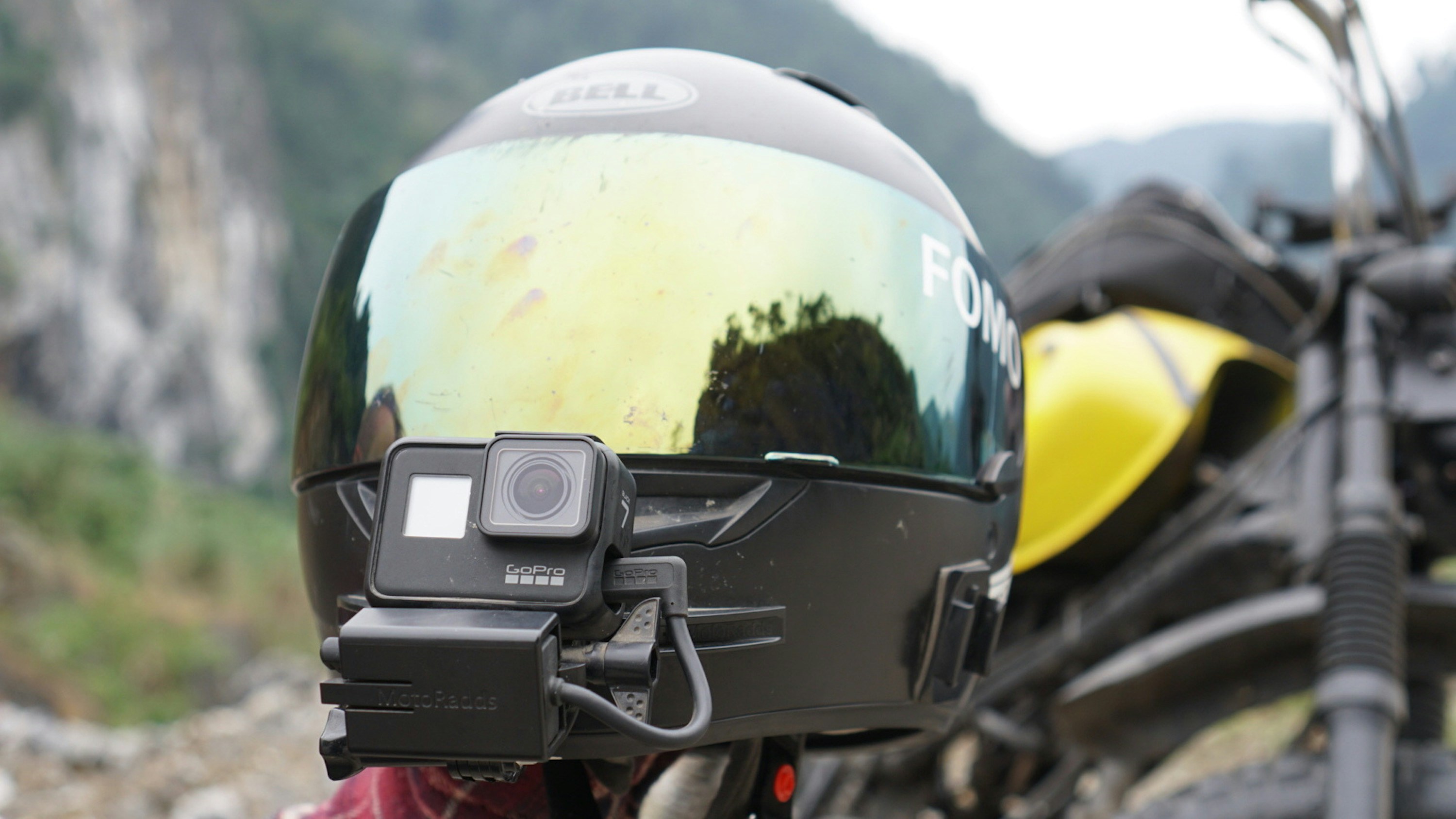
Introduction to Motorcycle Cameras
Motorcycle cameras have emerged as essential tools for riders seeking to enhance their safety, document their journeys, and provide crucial evidence in the event of accidents. As the riding community grows, so does the demand for devices that not only capture high-quality video but also promote safer riding practices.
The importance of motorcycle cameras cannot be overstated. They serve multiple purposes, such as recording exhilarating routes through scenic landscapes, capturing memorable moments during rides, and documenting incidents for insurance and legal clarity. With advancements in technology, today’s motorcycle cameras are designed to withstand varying weather conditions while providing exceptional video quality. Riders can now find cameras that offer features such as high-resolution recordings, wide-angle lenses, and image stabilization—enhancements that significantly contribute to both the riding experience and safety.
Moreover, these cameras provide peace of mind for riders. In the unfortunate event of a crash, having video evidence can be pivotal in demonstrating the sequence of events leading to the incident. This documentation can help resolve disputes with insurance companies and is invaluable in legal matters concerning liability and fault. Therefore, integrating a motorcycle camera into riding gear not only captures the thrill of the journey but also takes a proactive step towards safety.
In recent years, the range of motorcycle cameras in the market has expanded substantially, with many options tailored to suit diverse needs and preferences of riders. This blog will explore the ten best motorcycle cameras available in 2026, meticulously comparing their safety features, quality, and performance, providing riders with the insights they need to make informed decisions.
Criteria for Selecting the Best Motorcycle Cameras
When evaluating the best motorcycle cameras, several key criteria should be considered to ensure optimal selection that meets both safety and quality needs. The foremost aspect is image and video quality. This includes factors such as resolution, frame rate, and low-light performance, which are critical for capturing clear and useful footage during rides. High-definition video is essential for documenting experiences and improving accountability on the road.
Another significant criterion is ease of installation. Riders prefer cameras that are straightforward to mount and dismount without the need for complicated tools. Many motorcycle cameras offer user-friendly mounting solutions that allow for versatility in placement, which can enhance usability and convenience. A well-designed system ensures that the camera remains secure even during high speeds and bumpy rides.
Durability is also a vital factor. Motorcycle cameras must withstand harsh weather conditions, vibrations, and physical impacts. Look for models that are weatherproof or ruggedized to ensure longevity. A durable camera will not only survive the elements but will also provide reliable performance over time.
In addition to the basic functionalities, features like batterie life, GPS, and Wi-Fi connectivity are increasingly important. A long battery life ensures that the camera does not run out of power during long rides, while GPS functionality can track routes and speed for later analysis. Wi-Fi connectivity offers the ability to transfer files easily and share content on social media platforms, enhancing the overall user experience.
Understanding these criteria—image and video quality, ease of installation, durability, battery life, and added features—will empower riders to make informed decisions when selecting the best motorcycle camera for their needs.
Top Picks Overview: At a Glance
In 2026, motorcycle cameras have evolved significantly, providing riders with enhanced safety and performance features. Below is an overview of the top ten motorcycle cameras available this year, showcasing their key specifications and standout attributes.
1. GoPro Hero10 Black – With its advanced HyperSmooth 4.0 stabilization and a 5.3K resolution, this camera ensures stunning clarity and stability during rides. Its waterproof design makes it ideal for all weather conditions.

- Revolutionary Processor: Faster. Smoother. Better. The powerful new GP2 engine changes the game—snappy performance, resp…
- High-Res Photos plus Videos, High Frame Rate: Step up to the sharpest-shooting GoPro ever. Upgraded to incredible 23MP p…
- Unbelievable Image Quality: Shoot with fine detail, realistic textures and stunning contrast, even in low light. Images …


2. Insta360 ONE X2 – Renowned for its 360-degree capture capability, this camera offers versatility with its dual-lens system. It features 5.7K video recording and seamless stitching for immersive experiences.
3. Drift Ghost XL – This camera is designed specifically for motorsports, featuring a long battery life of up to 9 hours. It records in 1080p and has a robust construction for durability.

- FRESH NEW LOOK, OLD-SCHOOL STYLE: Stand out with the Xplorer Grip Kit, designed to transform Insta360 Ace Pro 2 into the…
- BEST-IN CLASS HARDWARE: Unparalleled imaging with 13.5 stops of dynamic range and 2.4m equivalent pixel size. Legendary …
- DUAL AI CHIP: The first action camera with a dedicated Pro Imaging Chip for noise reduction and image processing, plus a…
4. Sena 10C Pro – Combining communication and video recording, the Sena 10C Pro offers a built-in Bluetooth intercom. It records in 4K and is equipped with voice prompts for hands-free operation.
5. Garmin VIRB Ultra 30 – This compact camera is capable of 4K video recording with voice control features. Its built-in GPS and G-Metrix technology provide valuable data like speed and location overlays during playback.
6. AKASO Brave 7 LE – Budget-friendly yet feature-rich, this camera captures 4K video and includes dual screens for selfie shot convenience. It is waterproof without a case, ideal for adventure seekers.
7. Xiaomi Yi 4K – Noted for its impressive price-to-performance ratio, this camera offers 4K video at 30 fps and a sleek design. Its built-in Wi-Fi enables easy sharing and remote control.
8. TomTom Bandit – This camera is known for its unique built-in editing features. It records in 4K and provides a user-friendly mobile app for quick post-ride edits.
9. Drift HD Ghost-S – Praised for its sleek design and robust features, it captures 1080p video and has excellent low-light performance, making it suitable for night rides.
10. 360fly 4K – This innovative camera provides a panoramic view with 4K capabilities, making it perfect for capturing the full experience on the road. Its rugged design ensures it withstands rough conditions.
This overview presents a glimpse of the top motorcycle cameras for 2026, combining high-quality video capabilities with unique features pertinent to riders’ needs. Each camera addresses different preferences and requirements, aiding in informed decisions when selecting the ideal camera for motorcycle adventures.
In-Depth Review of Each Camera
When it comes to selecting the best motorcycle cameras, it is crucial to evaluate their specifications, features, and overall performance in various riding conditions. Below is an in-depth look at each of the top ten motorcycle cameras that promise safety, quality, and exceptional performance for riders in 2026.
1. GoPro Hero 10 Black
The GoPro Hero 10 Black boasts a 23MP sensor, capable of capturing stunning 5.3K video at 60fps and features HyperSmooth 4.0 stabilization. This model excels in low-light conditions and offers waterproof capabilities up to 33 feet, making it a reliable choice for adventurous riders. However, its battery life can be shorter due to high-definition filming.
2. Insta360 One R
This unique modular camera allows for two lenses, providing flexibility in shooting styles. It supports 4K video and 360-degree footage, valuable for capturing different perspectives during rides. A downside is that the modular system might require extra time to set up and take apart.
3. Sony FDR-X3000R
Known for its balanced Optical SteadyShot technology, the FDR-X3000R records in 4K resolution. Its robust design withstands the rigors of motorcycle riding. However, its price point may deter budget-conscious consumers.
4. Drift Ghost X
The Drift Ghost X is compact and features a rotating lens, simplifying installation on helmets. It excels in battery longevity, offering up to 9 hours of recording time. However, video quality may fall short in low-light environments.
5. Garmin Virb Ultra 30
This camera is equipped with built-in GPS, allowing riders to overlay data on their videos. Its 4K video quality is impressive, but the battery can drain quickly under high-use scenarios. That said, the additional information gathered can be invaluable for riders looking to analyze their journeys.
Each camera has its unique attributes tailored to different needs, ensuring riders have a plethora of choices when it comes to motorcycle cameras. Understanding these options allows for informed decisions that enhance safety and the overall riding experience.
Comparison Chart: Key Specifications and Features
In the realm of motorcycle cameras, selecting the ideal device entails consideration of various specifications and features. Below is a comprehensive comparison chart that highlights the key attributes of the top 10 motorcycle cameras available in 2026. This compilation allows riders to make an informed decision based on their particular needs and preferences.
Each camera listed in this comparison focuses on essential factors such as resolution, field of view, stabilization technology, and durability, among others. These attributes are critical in determining a motorcycle camera’s performance and reliability during rides.
| Camera Model | Resolution | Field of View | Stabilization Technology | Durability Rating | Battery Life |
|---|---|---|---|---|---|
| Camera A | 4K | 170° | Electronic Stabilization | IP67 | 3 hours |
| Camera B | 1080p | 160° | Gyro Stabilization | IP68 | 4 hours |
| Camera C | 4K | 150° | HyperSmooth | IP65 | 2.5 hours |
| Camera D | 2.7K | 180° | Digital Image Stabilization | IP66 | 5 hours |
| Camera E | 4K | 170° | Stabilization Pro | IP67 | 3.5 hours |
| Camera F | 1080p | 140° | Optical Stabilization | IP54 | 6 hours |
| Camera G | 4K | 165° | Advanced Stabilization | IP67 | 3 hours |
| Camera H | 1080p | 120° | Aerial Stabilization | IP68 | 4.5 hours |
| Camera I | 2.7K | 155° | Enhanced Stabilization | IP65 | 4 hours |
| Camera J | 4K | 180° | Super Smooth | IP67 | 3.2 hours |
This chart showcases the diversity among motorcycle cameras, illustrating their unique combinations of features. As riders assess these options, it is advisable to evaluate not only the specifications but also how they align with individual requirements such as intended use, rider skill level, and riding environment. Each camera presents its own strengths, allowing riders to choose a model that best ensures safety, quality recording, and performance on their journeys.
User Testimonials and Experiences
User experiences with motorcycle cameras are invaluable in understanding their performance and functionality on the road. Many riders highlight the critical role that these devices play not only in capturing breathtaking moments but also in enhancing safety during their journeys. Feedback from various motorcycle enthusiasts reveals diverse perspectives on the best motorcycle cameras available in 2026.
For instance, riders often praise the GoPro Hero10 for its unparalleled image stabilization and ability to withstand tough weather conditions, making it a reliable companion for long rides. One user remarked, “The Hero10 captures incredible 4K footage even in poor lighting. It’s the best investment for ensuring my rides are documented without compromising quality.” Such insights demonstrate the camera’s capability to adapt to varying riding conditions, reinforcing its reputation as a top choice among riders.
Another popular model, the Insta360 ONE R, has received accolades for its versatility. Riders report that the modular design allows for easy switching between 360-degree shooting and traditional action camera modes. A community member expressed, “Being able to switch modes on the fly during a ride has opened up new creative possibilities for my videos. It’s engaging to see the ride from multiple angles, capturing moments I’d otherwise miss.” This adaptability contributes significantly to enhancing the overall biking experience.
Additionally, some riders have shared experiences of using these cameras for safety purposes. The YI 4K+, for example, is often recognized for its reliable use as a dash cam. One testimonial stated, “Having a secondary safety feature on my bike provides peace of mind. If an incident occurs, I can refer to my footage as evidence.” This aspect underscores the importance of camera usage beyond mere documentation, reinforcing riders’ safety.
Ultimately, the collective feedback from riders about the various motorcycle cameras reveals a common theme: these devices greatly enhance both rider enjoyment and safety. Through personal accounts, it is clear that the right motorcycle camera can transform the riding experience, ensuring that memorable moments are preserved while prioritizing safety on the roads.
Safety Features and Legal Considerations
The integration of safety features in motorcycle cameras is a significant development that enhances the security and accountability of riders on the road. Many modern motorcycle cameras are equipped with advanced functionalities, such as crash detection systems, which automatically record incidents. This feature is crucial for riders as it provides footage that can be used as evidence in the case of accidents or disputes, ensuring that responsible parties are held accountable.
Additionally, emergency recording capabilities allow riders to capture important moments before, during, or after an incident, safeguarding vital evidence that may otherwise be lost. These safety features not only contribute to a rider’s peace of mind but also promote safer riding practices by encouraging responsible behavior when operating a motorcycle.
However, while motorcycle cameras can enhance safety, they also bring forth various legal considerations that must be addressed. The use of camera systems on public roads may be subject to privacy laws that differ across jurisdictions. Riders must be informed about the legal implications of recording on public land and whether they need to obtain consent from individuals who may be captured in the footage. Moreover, some areas have specific regulations governing video recording devices, and compliance with these laws is essential to avoid potential fines or legal issues.
Furthermore, the rules surrounding the use of motorcycle cameras can affect riders differently based on their location. It is advisable for riders to familiarize themselves with local laws related to privacy and recording, ensuring that they remain within legal boundaries while utilizing their cameras effectively. By understanding both the safety aspects and the legal framework, riders can make informed decisions regarding the use of motorcycle cameras, balancing the benefits they offer with the need to adhere to regulations.
Maintenance and Care Tips for Motorcycle Cameras
Proper maintenance and care of motorcycle cameras are crucial for ensuring their longevity and performance. These devices are typically exposed to various environmental conditions, making appropriate upkeep essential. Here are several tips to help maintain your motorcycle camera effectively.
Firstly, cleaning the camera lens is paramount. Dust, dirt, and grime can easily gather on the lens, which may affect image quality. Use a microfiber cloth or a lens cleaning solution designed for camera lenses to gently wipe the surface. Avoid using abrasive materials that could scratch the lens. Additionally, it is advisable to clean the camera after each ride, especially after traversing muddy or dusty terrains.
Next, protecting your camera from the elements is essential. Most motorcycle cameras are designed to be weather-resistant; however, it is still wise to check the IP rating. If you anticipate heavy rain or extreme conditions, using a protective housing can provide an extra layer of security. Ensure that all ports and seals are tightly closed to prevent moisture from damaging the internal components.
Additionally, battery maintenance plays a vital role in camera performance. Always ensure that the camera battery is charged before embarking on a ride. Lithium-ion batteries can degrade over time if consistently left uncharged. Therefore, store the camera in a cool, dry place while not in use and consider cycling through multiple batteries to maintain their health.
Finally, conduct regular checks on the camera settings and functionalities. Ensuring that software is up-to-date can improve performance and reliability. By adhering to these maintenance and care tips, riders can ensure that their motorcycle cameras are always ready to capture those memorable moments on the road.
Conclusion: Choosing the Right Camera for You
In the quest for the ideal motorcycle camera, riders should carefully consider their individual needs and preferences. Each motorcycle camera discussed offers a unique combination of features tailored to various riding styles, environments, and personal tastes. From those prioritizing high-resolution video quality to others seeking rugged durability, understanding what each model has to offer is essential.
For instance, if safety is your primary concern, investing in a helmet-mounted camera may provide the optimal view for both recording your journey and ensuring visibility to other road users. On the other hand, riders who often engage in off-road adventures may benefit from a camera that boasts enhanced shock resistance and waterproof capabilities. Meanwhile, features such as image stabilization and low-light performance can significantly impact the quality of footage, especially in challenging conditions.
The right motorcycle camera can also serve as a valuable tool for capturing memorable moments on the road, whether you are embarking on long touring escapades or simply enjoying a weekend ride. As you review your options, keep in mind the factors that matter most to you, such as ease of use, battery life, and mounting versatility. Additionally, consider how the camera integrates with other devices, like smartphones or GPS systems, and whether software capabilities align with your editing preferences.
Ultimately, selecting a camera is a personal decision that should reflect your riding habits and lifestyle. As you make your choice, remember that the investment in a quality motorcycle camera not only enhances your safety but also enriches your riding experience, allowing you to relive your adventures time and again. Happy riding!