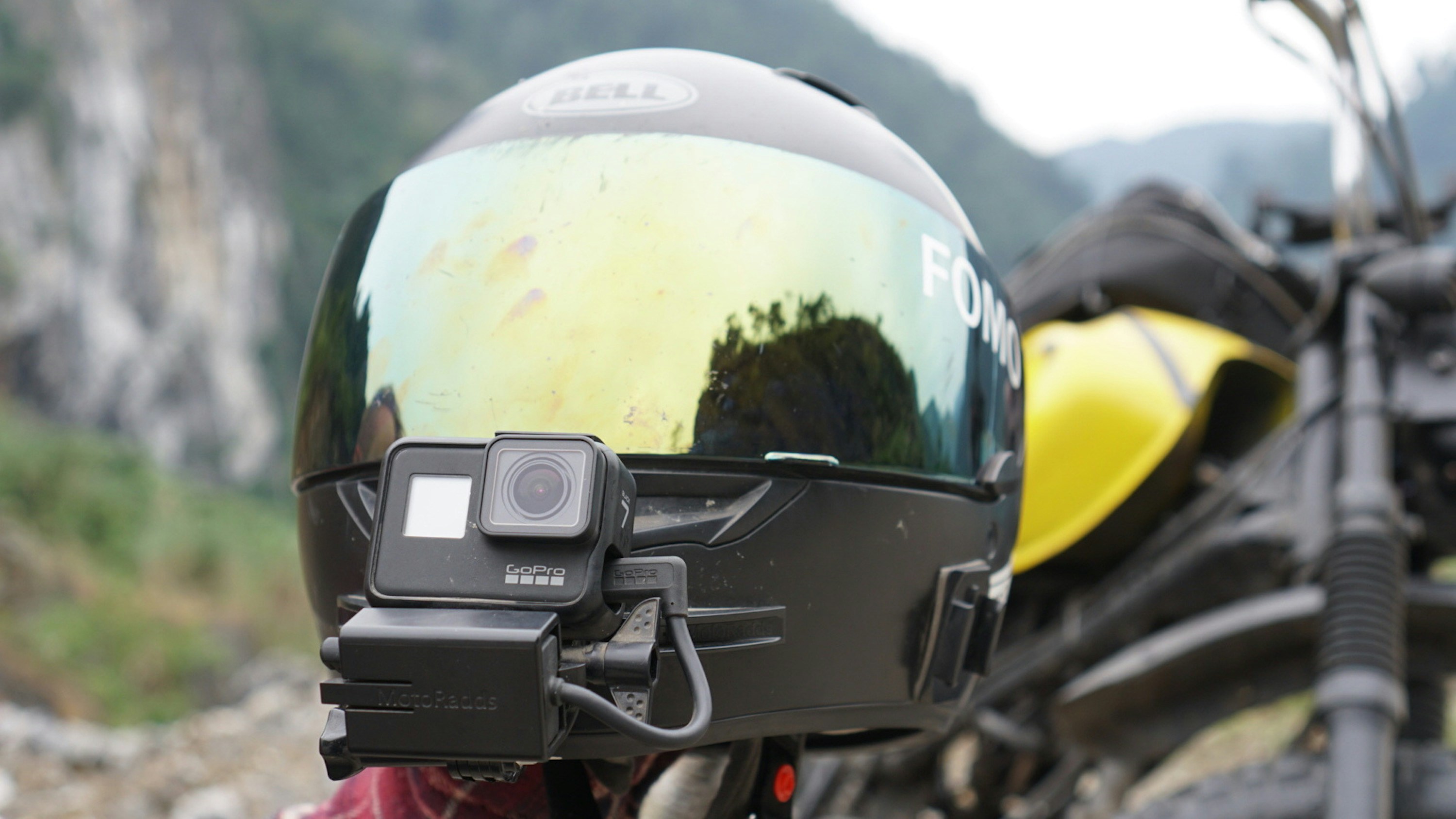
Introduction to Motorcycle Cameras
Motorcycle cameras serve an essential purpose for riders in 2026, as they enhance both safety and overall riding experience. In an age where technology is increasingly integrated into our lives, these cameras have evolved significantly, making them invaluable tools for motorcyclists. Riders are now more inclined to utilize these devices not just for capturing breathtaking views while on the road, but also for documenting their journeys and ensuring their personal safety.
The primary function of motorcycle cameras is to provide a first-person perspective of the ride. This capability becomes particularly valuable in accident scenarios, as footage can serve as crucial evidence in the event of a collision. By capturing incidents on the road, riders can better protect themselves from potential disputes or misinterpretations regarding liability. Furthermore, this technology assists in fostering a safer motorcycle community, where the behaviors and actions of motorists can be analyzed and shared, promoting awareness and accountability.
Quality is an essential aspect to consider when selecting a motorcycle camera. Modern devices offer high-definition recording capabilities, ensuring that the images captured are clear and detailed. Moreover, advancements in image stabilization and low-light performance allow for impressive video quality under various conditions, such as night riding or turbulent weather. These features contribute to creating a more enjoyable viewing experience, allowing riders to relive their adventures with clarity.
Performance, too, has seen significant improvements with the latest motorcycle cameras. Many are designed to withstand harsh environmental conditions, from intense vibrations to water exposure. The incorporation of features such as Wi-Fi connectivity and compatibility with smartphones allows riders to manage their recordings easily, making it simple to share moments instantly. As technology continues to advance, motorcycle cameras are poised to further enhance the riding experience, prioritizing safety, quality, and performance for motorcyclists everywhere.
Importance of Safety Features in Motorcycle Cameras
Motorcycle cameras have evolved significantly, not just as tools for capturing scenic rides, but as vital safety instruments for riders. The inclusion of various safety features is paramount, providing both protection and evidence in case of incidents. One of the most critical functionalities offered is accident recording. This feature ensures that a continuous video feed is captured, which can be invaluable in documenting unexpected events. In the unfortunate event of a crash, having video evidence can assist in determining liability and can be essential for insurance claims.
Another significant safety feature is the built-in GPS functionality. This tool not only tracks the motorcycle’s speed and location but can be crucial during emergency situations. In the event of an accident, the GPS data can provide precise information about where and when the incident occurred, further aiding in investigations and claims processing. Additionally, GPS-enabled cameras can offer benefits like route recording, allowing riders to review their paths and potentially identify any dangerous areas or trends that may require caution.
Emergency notifications are yet another essential safety function that many modern motorcycle cameras include. Some devices can automatically alert emergency contacts or services when it detects a severe impact, ensuring a quicker response time in critical situations. This automatic feature can significantly enhance a rider’s safety, as immediate assistance can be pivotal for serious accidents.
In summary, the safety features embedded in motorcycle cameras such as accident recording, GPS functionality, and emergency notifications play a crucial role in enhancing rider safety. By integrating these components, motorcycle cameras not only provide the means to capture unforgettable experiences but also act as reliable devices designed to protect riders in the event of a mishap.
Factors to Consider When Choosing a Motorcycle Camera
When selecting a motorcycle camera, riders must consider various factors to ensure optimal safety, quality, and performance. The primary aspect to assess is video quality, which is typically defined by the resolution and frame rate of the footage captured. High-definition cameras capable of recording in 1080p or 4K resolution provide clearer images, which can be crucial in the event of an incident. Additionally, a higher frame rate—ideally 60 frames per second (fps) or more—ensures smoother motion capture, enhancing the overall quality of video output.
Durability is another critical factor to evaluate when choosing a motorcycle camera. Cameras should be weatherproof and should offer a degree of crash resistance to withstand the rigors of motorcycling. Look for models that are specifically designed for outdoor use, with robust housing and seals to protect against rain, dust, and shocks from falls.
Battery life plays a significant role in the overall usability of a motorcycle camera. Opting for a camera with a longer-lasting battery ensures that extended rides can be recorded without interruption. Some models even offer the functionality of external battery packs or the capability to charge while in use, providing added convenience for riders.
The ease of installation is also paramount. Motorcycle cameras should come with clear mounting instructions and hardware that facilitates secure attachment without requiring extensive tools or mechanical knowledge. A straightforward installation process allows riders to focus on their journey without unnecessary distractions.
Finally, consider the user interface. A camera with an intuitive design and user-friendly controls enhances the overall experience. Features such as touch screens, mobile app integration, and remote control options allow for seamless operation while riding. Overall, understanding these factors when selecting a motorcycle camera can significantly improve both safety and satisfaction for riders in 2026.
Top 10 Motorcycle Cameras of 2026
The rapidly evolving landscape of motorcycle cameras has brought forth exceptional options for riders in 2026. Here is a ranked list of the ten best motorcycle cameras, evaluated on safety, quality, and performance.
1. GoPro Hero 10 Black: This camera is renowned for its high-resolution 5.3K video capture and advanced stabilization features. With a price range of $399-$499, it is equipped with a touch screen and voice control, making it a favorite among motorcyclists.
2. Insta360 ONE R: Priced between $299-$449, this modular camera offers versatility with its dual-lens setup, capable of capturing 360-degree footage. Its waterproof design and durable build enhance its safety for outdoor riding.
3. DJI Osmo Action: Known for its RockSteady stabilization, the DJI Osmo Action records in 4K resolution and is available for $199-$349. The front-facing screen allows for easy framing during rides.
4. Akaso V50 Pro: At an affordable price of $129-$179, this camera provides excellent value with 4K recording capability, a waterproof case, and multiple mounting options, ensuring safety and stability while riding.
5. Drift Ghost XL: Priced around $249, this camera is designed explicitly for motorcycle use, featuring a long battery life for extended rides and a streamlined design for aerodynamic efficiency.
6. Sena 10C Pro: A unique combination of a camera and Bluetooth communication system, priced at $349, makes this device ideal for group rides while offering 4K video quality.
7. Removu K1: Suitable for both amateurs and pro riders, the Removu K1 offers easy wireless controls and is priced at approximately $299. Its waterproof casing ensures its durability on the road.
8. MGK6 Action Camera: This entry-level option, priced around $99, features 1080P recording capabilities and various mounts, making it accessible for novice riders wanting to document their trips.
9. Veho Muvi K2: This camera provides 4K recording at a price range of $199-$249. Its compact design and built-in screen allow for easy operation and monitoring during rides.
10. Yi 4K+: Known for superb image quality for its price, at $299-$349, the Yi 4K+ features excellent stabilization and works with various accessories for versatile use on motorcycles.
Each of these motorcycles cameras brings a unique set of features and price points to cater to a range of preferences and budgets. Riders should consider their specific needs in safety, quality, and performance when selecting the ideal camera for their adventures in 2026.
Comparative Analysis of Camera Performance
The performance of motorcycle cameras can significantly influence the riding experience, as they are crucial for documenting journeys and enhancing safety. Evaluating the performance of our selected top motorcycle cameras involves a thorough examination of video quality under various conditions, stability during rides, and low-light capabilities, alongside user feedback.
Video quality emerges as a pivotal factor when considering which motorcycle camera to invest in. High-definition resolution, typically ranging from 1080p to 4K, is a standard expectation for capturing sharp images and videos. Cameras like the GoPro Hero 10 and DJI Osmo Action have demonstrated excellent recording capabilities with minimal distortion, particularly during fast-paced rides. User reviews indicate that both models maintain clarity even through rapid turns and bumps.
Stability is also of paramount importance. Many riders report that electronic image stabilization (EIS) systems significantly enhance footage quality by compensating for bumps and vibrations commonly encountered on the road. For instance, a comparative review highlighted that the Insta360 One R exhibited superior stabilization features, providing smooth footage that is vital for safety during high-speed maneuvers.
In low-light scenarios, performance can vary considerably. Cameras such as the Akaso Brave 8 leverage advanced optical sensors, offering considerable improvements in brightness and clarity compared to models with lower-quality sensors. Feedback from users points to the Akaso’s effectiveness in dimly lit environments, capturing more detail and maintaining image integrity, which is crucial for night rides.
Overall, the performance assessment of these motorcycle cameras reveals that while all models offer effective solutions, specific features cater better to varied riding conditions. Prioritizing these aspects will aid riders in selecting the perfect camera that aligns with their safety needs and performance expectations.
User Experience and Ease of Use
When evaluating the best motorcycle cameras for riders in 2026, user experience and ease of use emerge as critical factors influencing the overall performance and satisfaction of the device. A straightforward installation process is vital; riders prefer cameras that can be mounted quickly and securely without requiring extensive tools or mechanical knowledge. Most of the top motorcycle cameras come with intuitive mounting systems, allowing riders to install them in just a few minutes. For instance, models equipped with quick-release mounts facilitate hassle-free adjustments or removal when needed.
The user interface of these cameras also plays a significant role in enhancing the riding experience. A well-designed interface allows riders to navigate settings, review footage, and make adjustments easily while on the go. Cameras that incorporate touchscreen capabilities have gained popularity, providing a user-friendly way to access functions with minimal distraction. Furthermore, voice commands are increasingly integrated, allowing riders to control the camera without taking their hands off the handlebars.
Connectivity with mobile applications is another key aspect of user experience. Many contemporary motorcycle cameras offer Bluetooth and Wi-Fi connectivity, enabling riders to transfer footage effortlessly to their smartphones. This feature becomes particularly beneficial for sharing content on social media or for review after a ride. Some cameras even support live streaming, providing an innovative edge for motorcyclists who wish to share their experiences in real-time.
Unique features that enhance usability are also notable. For example, several models feature automatic recording capabilities that activate upon detecting motion or impact, ensuring that critical moments are captured without manual intervention. Additionally, some cameras include GPS tracking, which can provide valuable data such as speed and location, enhancing the context of recorded footage. Together, these elements contribute to a more streamlined and enjoyable user experience for riders, ensuring that they can focus on the road ahead while their camera handles the documentation of their journey.
Real-life Applications: Riders’ Testimonials
In the world of motorcycling, the experiences shared by fellow riders can significantly influence the decision-making process regarding safety gear, particularly motorcycle cameras. Testimonials from actual riders highlight the multitude of benefits that dedicated camera systems can provide, showcasing their impacts on safety, documentation, and enhanced riding experiences.
One passionate rider, Jake, shared his story about how his motorcycle camera came to his rescue during an unexpected incident. While cruising along a scenic route, he encountered a reckless driver who attempted to cut him off. Fortunately, Jake’s camera captured the entire exchange. Later, this footage became vital evidence in a dispute, helping to demonstrate his innocence. “I never thought I would need it, but having that recording made all the difference in proving my case,” Jake remarked, emphasizing the protective aspect of having a reliable motorcycle camera.
Another rider, Sarah, expressed how her camera enhanced her adventures. During a cross-country trip, she documented breathtaking landscapes and memorable moments with her riding buddies. “It’s more than just a safety measure; it’s a way to archive those incredible experiences and share them with others. I love reliving those moments through my recordings,” Sarah said. Her experience reflects a common sentiment among riders who view motorcycle cameras as tools that not only serve a protective function but also enrich their overall journey.
The integration of motorcycle cameras into the riding experience is paving the way for new avenues of enjoyment and safety. They enable riders to capture their adventures and ensure accountability in critical situations. As more riders share their testimonials, it becomes apparent that these cameras are becoming an indispensable part of the motorcycling lifestyle.
Future Trends in Motorcycle Camera Technology
The motorcycle camera technology landscape is continuously evolving, driven by advancements in various fields such as artificial intelligence (AI), smart device integration, and improvements in battery and waterproofing technologies. These emerging trends are setting the stage for more effective and user-friendly motorcycle cameras that not only enhance rider safety but also improve the overall riding experience.
One prominent trend is the incorporation of AI features in motorcycle cameras. These AI capabilities can assist in real-time image processing, enabling features such as automatic scene recognition, which optimizes video quality based on riding conditions. Moreover, facial recognition may emerge to identify and alert riders of potential hazards, such as vehicles that approach from blind spots. Such technological innovations could significantly enhance rider decision-making and safety during their journeys.
Another significant progression lies in the integration of motorcycle cameras with smart devices. As smartphones become increasingly integral to everyday life, the potential for motorcycle cameras to seamlessly connect with these devices is becoming apparent. Future camera models may allow for remote monitoring, enabling riders to access live feeds, alerts, or even historical footage directly from their gadgets. This will not only help with continuous awareness while riding but also aid in the post-ride analysis of performance and safety.
Battery technology is also expected to experience substantial improvements, enhancing the longevity and reliability of motorcycle cameras. Riders often face challenges with battery drain, particularly during long rides. Innovations such as fast charging and extended battery life could ensure that riders have reliable recording capabilities during their journeys. Additionally, enhancements in waterproofing technology may allow these cameras to withstand varying weather conditions, providing consistent performance, rain or shine.
In summary, as motorcycle camera technology advances, riders can expect AI-driven features, better integration with smart devices, and enhancements in battery and waterproofing capabilities. These trends will not only enhance safety but also elevate the overall performance of motorcycle cameras, ensuring that they meet the dynamic needs of modern riders.
Conclusion and Final Recommendations
Throughout this blog post, we have explored the ten best motorcycle cameras of 2026, each designed to cater to various rider needs, budgets, and preferences. Quality and performance have emerged as critical factors in determining the best options for motorcyclists who rely on durable, high-performance cameras. These devices not only enhance the riding experience but also serve as vital safety tools, recording incidents and providing insurance proof when necessary.
For riders seeking high-definition video quality, models such as the GoPro Hero and the Insta360 ONE R stand out for their exceptional performance and flexibility, enabling users to capture stunning visuals from various angles. On the other hand, if you prioritize budget-friendly options without compromising essential features, products like the Akaso V50 and the Campark ACT74 provide reliable performance and decent image quality at attractive prices. Riders should consider their primary needs during their search for a motorcycle camera. For instance, those focused on safety might gravitate towards models with additional features like crash detection and GPS tagging.
Moreover, the ease of use and connectivity options, such as smartphone compatibility and remote control functionality, can significantly enhance a rider’s experience. Thus, understanding what one desires from a camera—whether it be high-quality footage, advanced safety features, or user-friendliness—will guide their ultimate decision.
In summary, investing in a quality motorcycle camera is a worthwhile consideration for any rider. With a range of options available, there is a camera that can meet different demands without breaking the bank. As you consider your choices, keep in mind the factors laid out in this article and make a decision that aligns with your riding habits and lifestyle.